
Nigeria’s Tax Reforms Are Reshaping Business Compliance in 2026
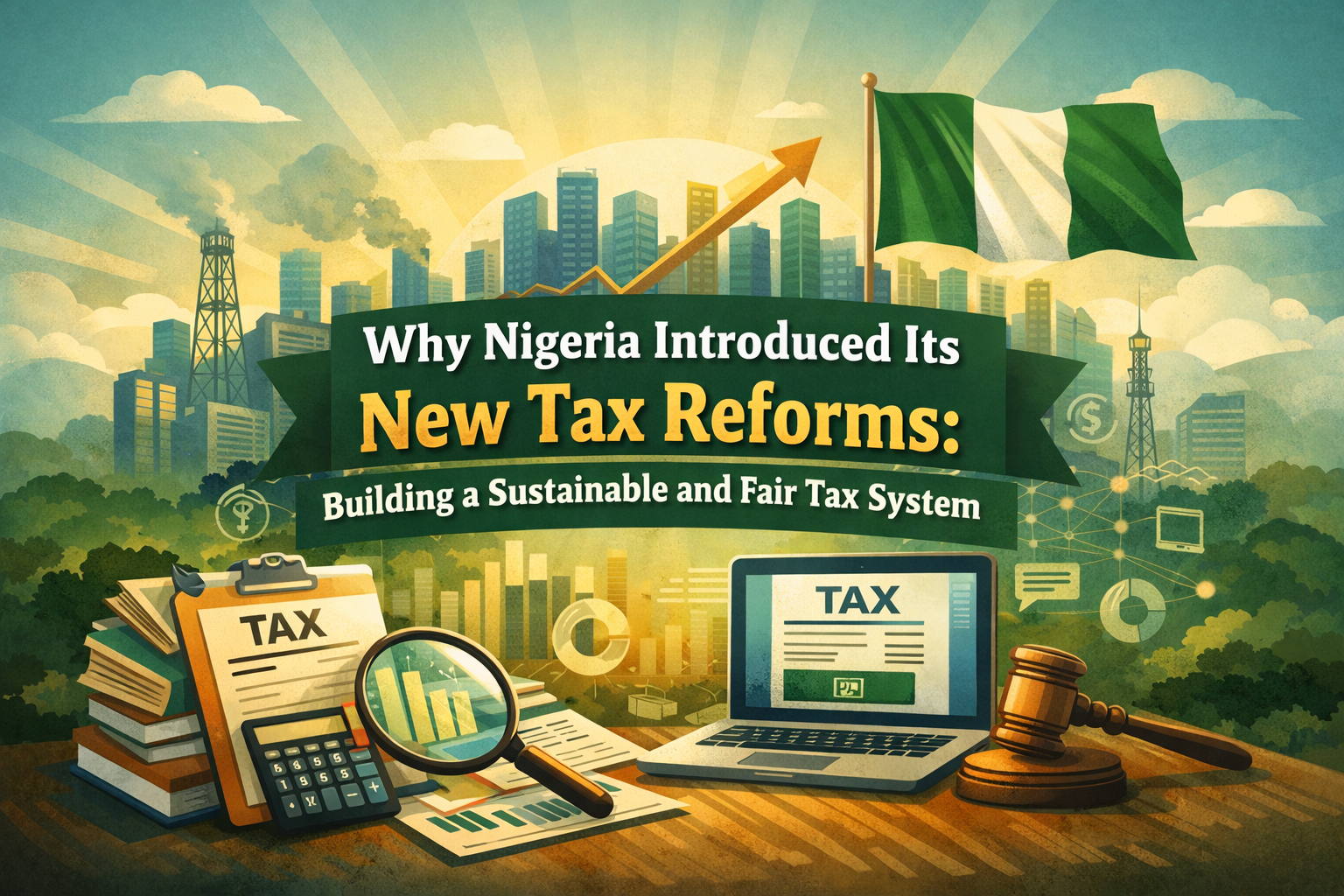
Nigeria’s tax system is changing, and for business owners, ignoring these changes is no longer an option.
As Nigeria moves fully into 2026, new tax reforms are reshaping business tax compliance in Nigeria. These reforms affect how businesses register, report income, file returns, and respond to tax authorities. For many SMEs and growing businesses, the biggest risk is not tax evasion but failing to understand Nigeria’s new tax laws.
At Taisha Associates, we work with Nigerian SMEs, startups, and professional service firms, and we see the same challenge repeatedly: businesses are unsure how the Nigerian tax reforms of 2026 apply to them.
The Decline of Oil Revenue and the Push for Tax Reforms
One of the key reasons behind Nigeria’s tax reforms is the steady decline in oil revenue. For years, oil funded a large portion of government spending. However, fluctuating global oil prices and economic disruptions exposed the risks of this dependence.
To ensure sustainable funding for infrastructure and public services, the government has shifted attention to non-oil revenue—especially taxation. This shift explains why tax compliance for businesses in Nigeria is now receiving increased attention.
Fixing Inefficiencies in Nigeria’s Old Tax System
Before the reforms, the Nigerian tax system was marked by:
- Overlapping tax regulations
- Inconsistent enforcement across states
- Manual filing processes
- Poor clarity for SMEs
These weaknesses created loopholes and uncertainty. The new reforms aim to harmonise tax laws and simplify expectations for businesses while strengthening enforcement.
For compliant businesses, this is a welcome development. For others, it signals a more structured and closely monitored tax environment.
Expanding the Tax Net for SMEs and Growing Businesses
Another major objective of the reforms is to expand the tax base fairly. Historically, a small group of businesses carried the bulk of tax obligations, while many others operated informally.
Under the Nigerian tax system reforms, SMEs, consultants, digital businesses, and professional service providers are now more visible—especially where income flows through bank accounts and digital platforms.
This makes understanding SME tax obligations in Nigeria more important than ever.
Digital Tax Compliance and Transparency
The reforms strongly emphasize digital compliance. Online filing, electronic records, and inter-agency data sharing are now central to tax administration.
Businesses that rely on poor bookkeeping or informal records face higher compliance risks. Accurate financial records are no longer optional—they are essential for business tax compliance in Nigeria.
What Nigeria’s New Tax Laws Mean for Your Business
The Nigerian tax reforms of 2026 are not temporary adjustments. They represent a long-term policy shift. Whether you run a small business or a growing company, proactive compliance is now critical to avoiding penalties and disruptions.
If you are unsure how the reforms affect your business, professional guidance can help you stay compliant and confident.
Speak With a Tax Advisor in Nigeria
At Taisha Associates, we provide practical tax advisory services in Nigeria tailored to SMEs and growing businesses.
You are invited to book a free 30-minute tax review call to:
- Understand how Nigeria’s new tax laws affect your business
- Identify compliance gaps
- Get clear, actionable guidance
👉 https://calendly.com/taishaassociates-yfp/30min