
Why Poor Record-Keeping Could Cost Nigerian Businesses in 2026
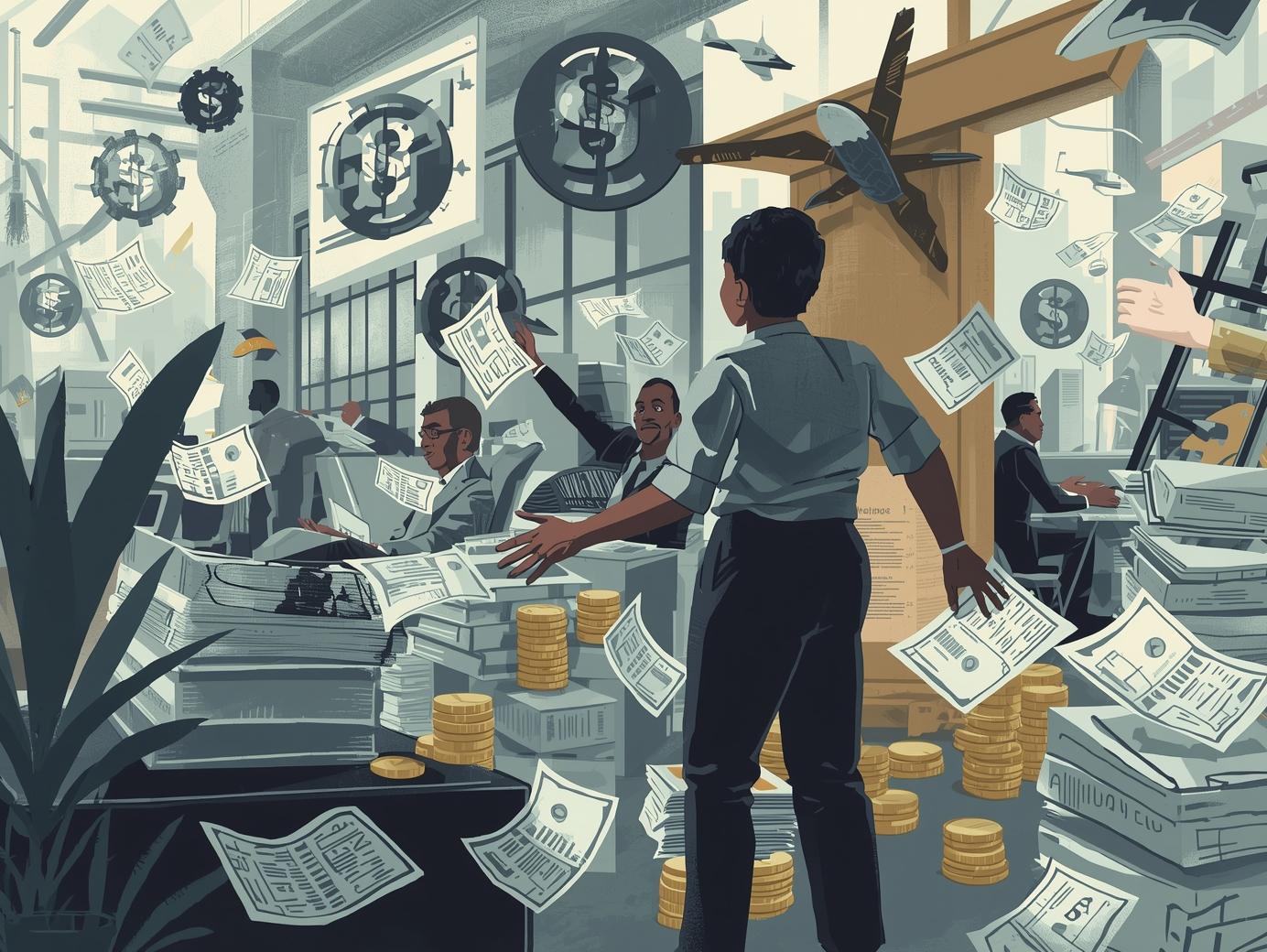
If NRS walked into your business today, would you be ready?
If the Nigeria Revenue Service (NRS) entered your business today and demanded your financial records for the past two years, would you have complete, accurate, and credible documentation to show them? If you hesitated—even briefly—then this presents a serious compliance risk. Nigeria’s new tax reform laws, effective in 2026, have made proper record-keeping a legal requirement rather than just a best practice. It is no longer optional, informal, or something to address later. Businesses that fail to comply now face penalties, estimated tax assessments, and the potential loss of legitimate deductions.
Whether you operate a tech startup, e-commerce business, private clinic, school, agribusiness, real estate company, or professional services firm, these rules now apply directly to you.
Why Record-Keeping Is Now a Legal Requirement
Under Nigeria’s new tax laws, tax authorities are empowered to:
- Request historical financial records
- Conduct deeper, data-driven audits
- Reject tax filings that cannot be supported by proper documentation
In simple terms, if it is not documented, it did not happen—as far as the tax authorities are concerned.
Poor or incomplete records can lead to:
- Estimated assessments (often higher than actual liability)
- Disallowed expenses and deductions
- Penalties, interest, and prolonged audits
This is why record-keeping is now central to tax compliance for businesses in Nigeria.
The 6 Essential Record Categories Every Business Must Maintain
Under the new tax framework, every Nigerian business is expected to keep clear, verifiable records in the following six categories:
- Income Records
These prove how your business earns money.
- Sales invoices
- Receipts
- Contracts and agreements
- Payment confirmations (bank transfers, POS, online payments)
- Expense Records
These justify your business deductions.
- Supplier invoices
- Purchase receipts
- Utility bills
- Rent and lease agreements
- Salary payments
Without these, expenses may be disallowed during audits.
- Bank Statements
All business bank statements must be retained.
- Separate business accounts from personal accounts
- Statements must align with reported income and expenses
Mixing personal and business finances is now a major compliance red flag.
- Asset Records
These documents are long-term investments.
- Equipment and machinery purchases
- Vehicles
- Property documents
- Depreciation schedules
Asset records are critical for capital allowance claims.
- Tax Records
These show your compliance history.
- Tax filings
- Payment receipts
- VAT records
- Withholding tax certificates
Missing tax records can trigger repeat assessments.
- Employee and Payroll Records
Required for PAYE and labor-related taxes.
- Salary schedules
- PAYE deductions
- Pension contributions
- Employment contracts
These are especially important for businesses with growing teams.
How Long Must You Keep Business Records?
Under the new tax laws, businesses are generally required to retain records for a minimum of six years. In some cases—especially where disputes or audits are ongoing—longer retention may be necessary.
Deleting records too early is now considered a compliance risk.
Industry-Specific Record-Keeping Requirements
Different industries face different scrutiny levels:
- Tech Startups & Digital Businesses: Revenue tracking, subscription records, digital payments
- E-commerce Businesses: Sales platforms, delivery records, VAT on goods and services
- Private Clinics & Diagnostic Centres: Billing, insurance claims, payroll, equipment assets
- Educational Institutions: Tuition income, staff payroll, grants, and levies
- Agritech & Agribusinesses: Input costs, produce sales, asset records
- Real Estate Firms: Rental income, property expenses, capital assets
- Professional Service Firms: Engagement contracts, retainers, fee schedules
Understanding what applies to your sector is critical for SME tax compliance in Nigeria.
The 3 Levels of Record-Keeping Systems
- Basic: Manual records and spreadsheets (high risk as businesses grow)
- Intermediate: Accounting software with professional oversight
- Advanced: Fully digitised systems with audit trails and compliance support
Choosing the right level depends on your size, industry, and transaction volume.
Consequences of Poor Record-Keeping
Businesses with weak records face:
- Estimated tax assessments
- Disallowed expenses
- Penalties and interest
- Stressful and prolonged audits
- Reputational damage
In 2026 and beyond, poor record-keeping is no longer a minor issue—it is a direct threat to business survival.
5 Immediate Actions You Should Take Now
- Separate business and personal finances
- Organise the past two years’ records
- Adopt appropriate accounting tools
- Review compliance gaps with a professional
- Implement a sustainable record-keeping system
Speak With a Tax & Compliance Professional
At Taisha Associates, we help Nigerian businesses build compliant, audit-ready record-keeping systems aligned with Nigeria’s new tax laws.
Book a free 30-minute compliance review call to:
- Assess your current records
- Identify risk areas
- Get practical steps tailored to your business
👉 https://calendly.com/taishaassociates-yfp/30min